


Choosing a saké can feel intimidating, even for seasoned enthusiasts. With so many styles to explore, it’s easy to wonder where to begin. The good news? We’re here to make discovering the world of saké simple, approachable, and a whole lot of fun. Let’s break down some of the most common styles!
Daiginjo: Daiginjo is a premium saké crafted from rice polished to 50% or less, representing the pinnacle of brewing artistry.
Futsu: Often called an everyday table saké, futsu has no restrictions on rice polishing. It is known for its affordability, approachability, and lighter flavor profile. Brewers also have the flexibility to add distilled alcohol after fermentation if they choose. Futsu saké is considered a non-premium, straightforward style.
Genshu: Saké is often diluted with water to achieve a balanced flavor, but genshu is bottled undiluted, resulting in a higher alcohol content. This method preserves the saké’s original, rich flavors and aromas, making them more concentrated and robust than those of standard saké.
Ginjo: Ginjo is a premium saké style with a rice polishing ratio of 60% or less, the same as junmai ginjo. Unlike junmai ginjo, however, distilled alcohol is added during brewing to help shape its flavor profile.
Honjozo: Honjozo is a premium saké made from rice polished to 70% or less of its original size. A small amount of distilled alcohol is added to enhance flavor and aroma, lighten the body, and create a drier, cleaner profile.
Infused: An American twist on authentic saké, infused saké features added flavors that create a more complex, often sweeter, and fruity or spicy beverage. Delicately sweet and aromatic, it can be enjoyed on its own or used as a versatile ingredient in cocktails.
Junmai: Made using only rice, water, koji, and yeast, junmai saké contains no added distilled alcohol, earning it the designation of “pure.” The rice is typically polished to at least 70% of its original size. While the junmai classification is broad, this saké often has a full body and savory flavor, showcasing the richness and depth of premium saké crafted without high-strength distilled alcohol.
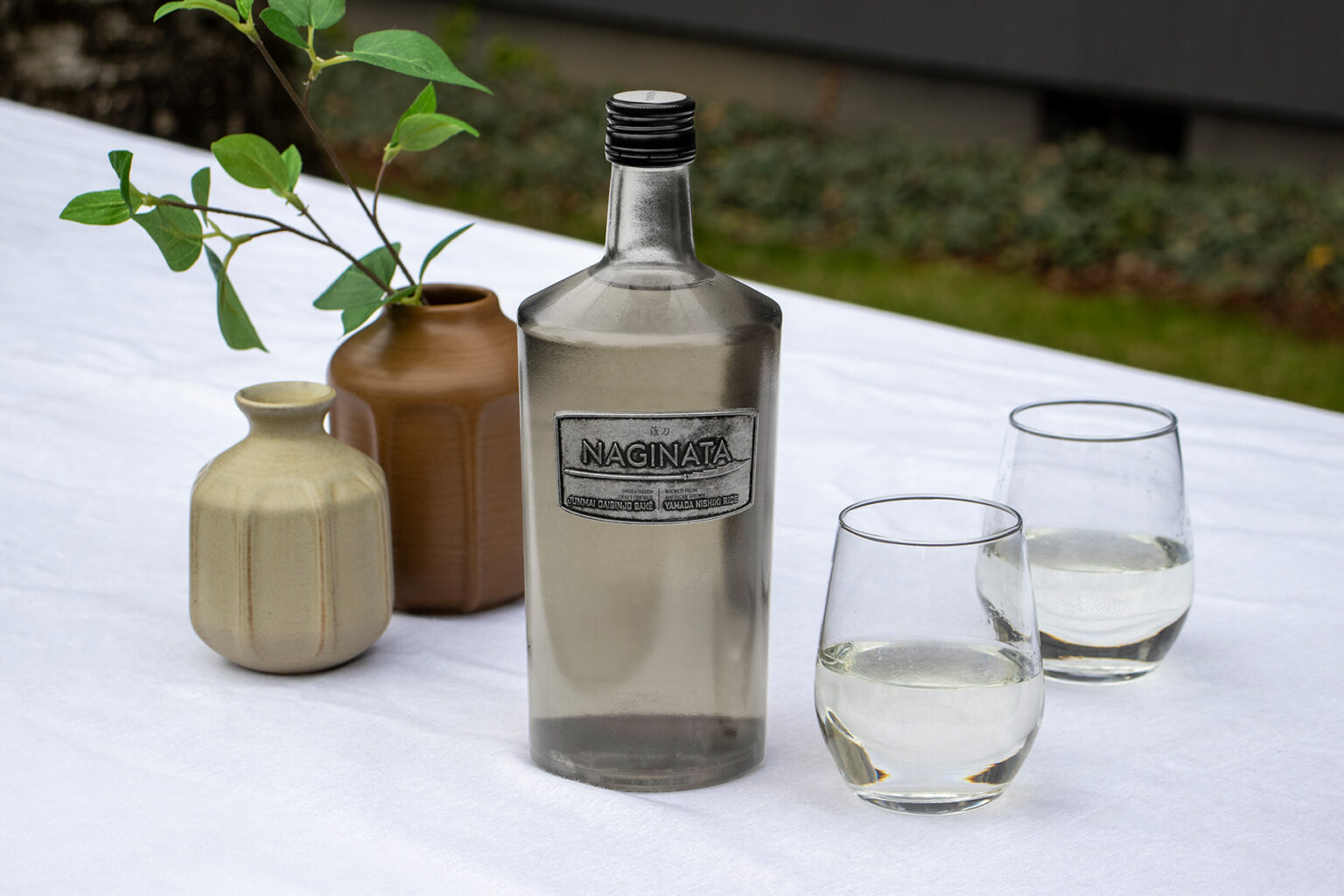
Junmai Daiginjo: An ultra-premium saké, junmai daiginjo is crafted from rice polished to 50% or less of its original size and made without the addition of high-strength distilled alcohol.
Junmai Ginjo: A specialty at SakéOne, much of the saké we brew in our Oregon kura falls into the junmai ginjo style. This category of premium saké is made from rice polished to 60% or less of its original size and crafted without the addition of high-strength distilled alcohol.
Kimoto: Kimoto is a traditional and labor-intensive method for initiating saké fermentation. In this process, steamed rice is painstakingly pounded into a paste using a pole, encouraging the development of natural lactic acid and creating a distinctive, rich flavor profile.
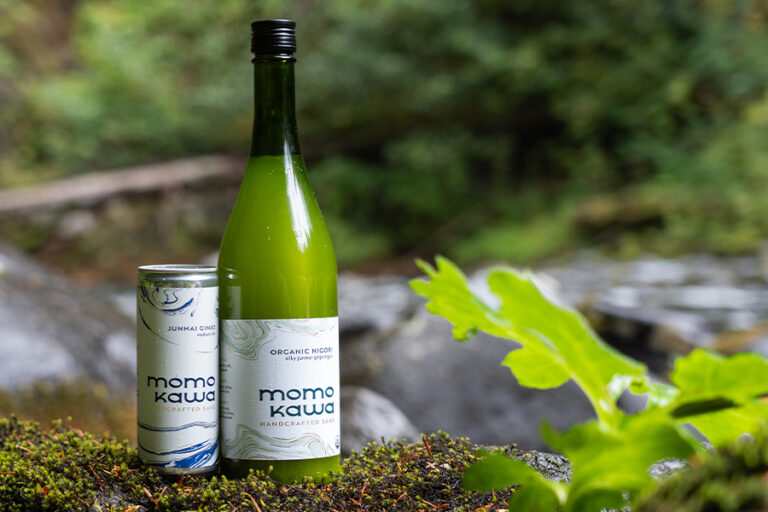
Nigori: Cloudy and coarsely filtered, nigori saké retains flavorful and aromatic rice sediments in the beverage. This style is typically sweet, soft, and silky. Gently shake before serving.
Sparkling: A unique twist on “ bubbly”, sparkling saké gets its effervescence either from a second yeast fermentation that naturally produces CO₂ or from CO₂ injection. We especially love using sparkling saké to mix refreshing mimosas!
Tokubetsu: The term tokubetsu denotes a “special saké”. This grade represents high-quality brews that meet enhanced production standards beyond regular saké, often using more highly polished rice (to 60% or less) or special ingredients. Tokubetsu sits above standard junmai or honjozo but below junmai ginjo or daiginjo, bridging the gap between everyday and premium saké.
Yamahai: An evolution of the kimoto fermentation method, this approach eliminates the pounding of steamed rice into a paste. Instead, it relies on careful control of temperature and moisture to naturally develop lactic acid.